How it works
Multiple frameworks in one Profile
Humalyzer Profile is a strength-based analysis that identifies individuals' natural talents and behavioral preferences. You gain a deeper understanding of what drives each person and where their greatest potential lies. By mapping individual potentials, the foundation for making decisions is strengthened.

Natural Strengths
Natural Strength Talents
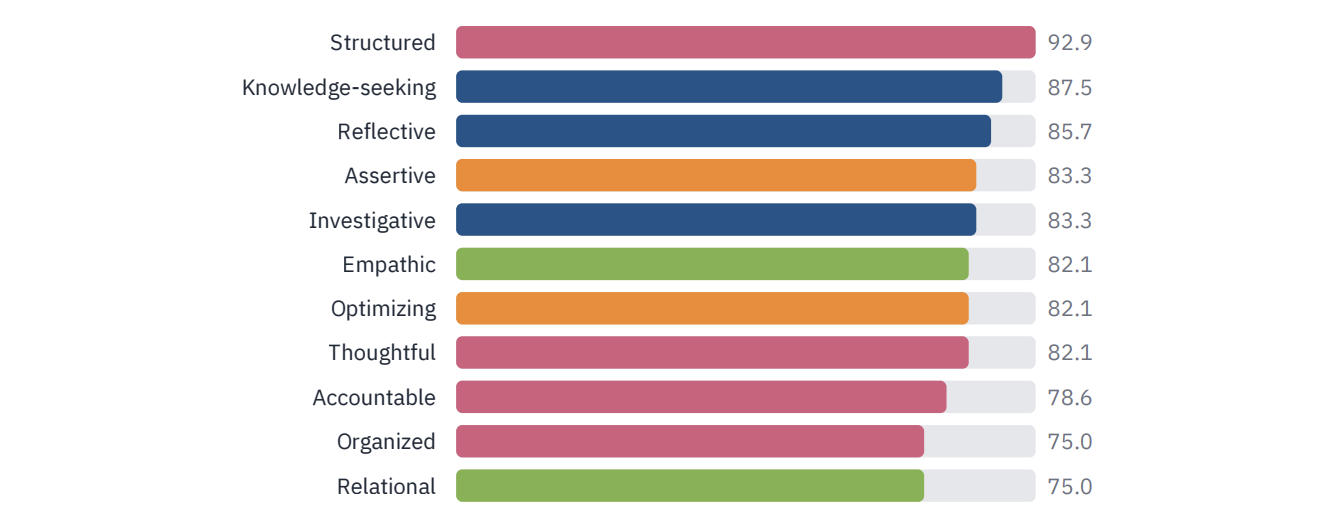
Humalyzer Profile is primarily based on the strength-based approach from Gallup and the work of Donald Clifton. Research shows that organizations achieve better results when they systematically work with employees' strengths rather than focusing on weaknesses.
For the organization, this means higher engagement and performance, more targeted talent development, and better utilization of existing resources. Every strength is ranked and categorized into four performance domains: Drive, Impact, Insight, and Connection. The report includes a detailed analysis of the positive aspects and potential weaknesses of all strengths.
Drive
The Driver Compass
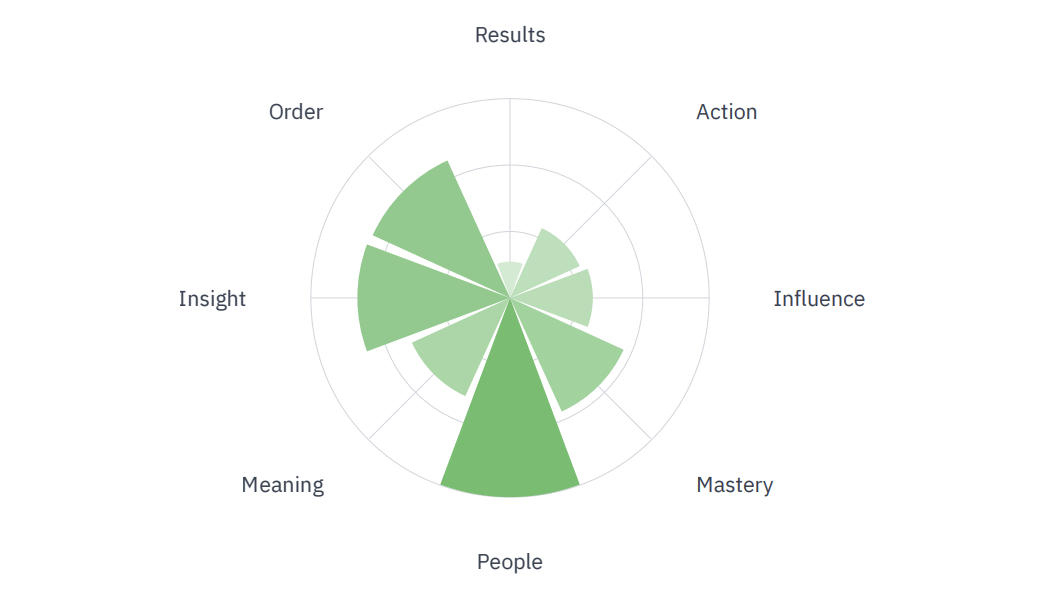
The Driver Compass maps what moves a person to act. Eight drivers are weighted and brought together in a single compass that highlights the two strongest. The underlying motive behind behavior and engagement.
For organizations, this means a deeper understanding of what drives each employee, a better basis for designing roles and tasks, and more targeted motivation and recognition.
Team Roles
Team Roles
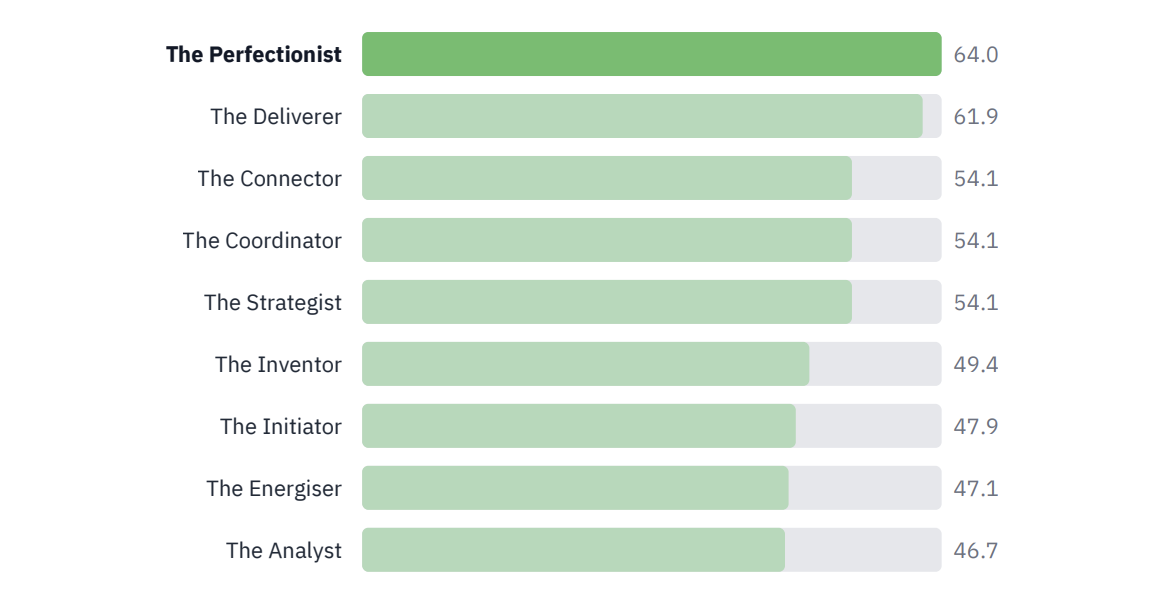
Humalyzer Profile translates each individual's profile into a natural role on the team. Across nine roles from the Strategist and the Analyst to the Connector and the Coordinator, it becomes clear what each person contributes and where their strengths come through most in working with others.
For leadership and HR, this gives a clearer picture of how a team is composed, insight into where it is strong and where it is exposed, and a basis for building teams that complement rather than overlap.
Stress Risk
Stress Risk Profile
Humalyzer Profile includes a stress risk assessment that maps each person's personality traits to one of six behavioral archetypes. Each archetype describes a distinct pattern of how stress accumulates, what triggers it, and how it manifests under sustained pressure.
For organizations, this provides early identification of burnout risk, a more individualized approach to employee well-being, and practical guidance for managers supporting people in high-pressure roles.

Personality Type
Personality Type
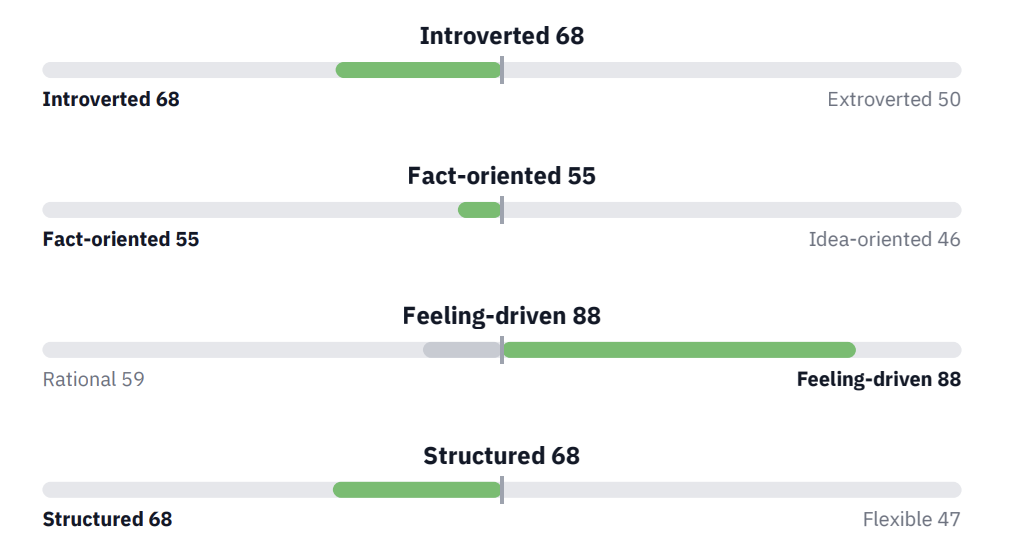
Humalyzer Profile integrates psychological types from Carl Gustav Jung and the Myers-Briggs Type Indicator. This provides insight into how employees perceive information, make decisions, and communicate.
For leadership and HR, this provides a better match between role and employee, strengthened communication across the organization, and increased understanding of diversity in thinking and behavior.
Personality Traits
Personality Traits
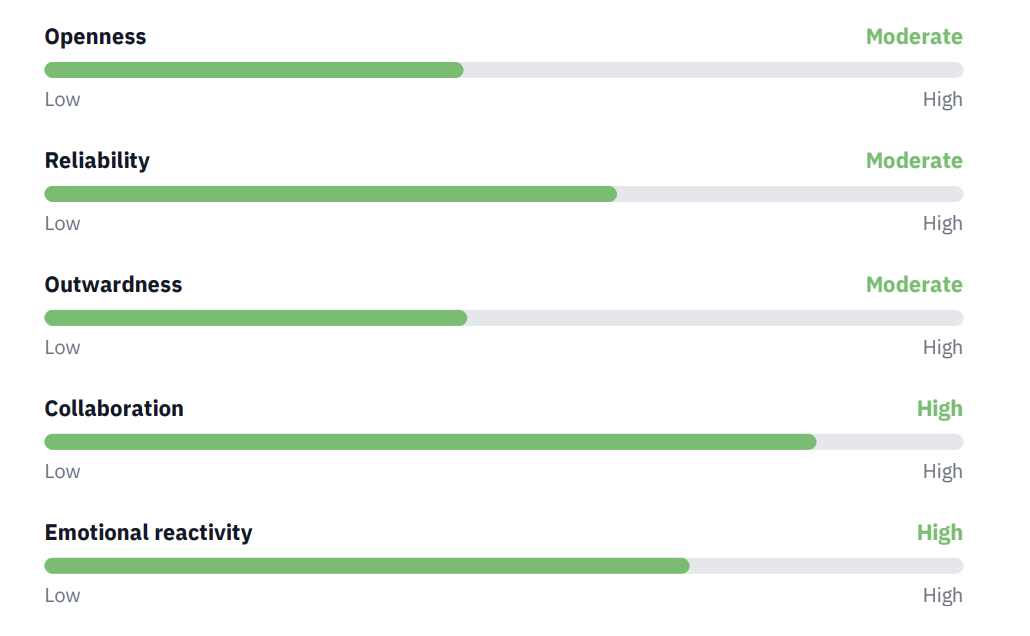
Humalyzer Profile includes elements from the NEO Personality Inventory developed by Paul Costa Jr. and Robert McCrae. This model is among the most validated in personality psychology and contributes a stable foundation for the analysis.
For HR and leadership, this provides a more reliable decision-making basis, increased validity in recruitment and development, and a nuanced picture of behavior and work patterns.
Motivational Needs
Self-Determination Theory
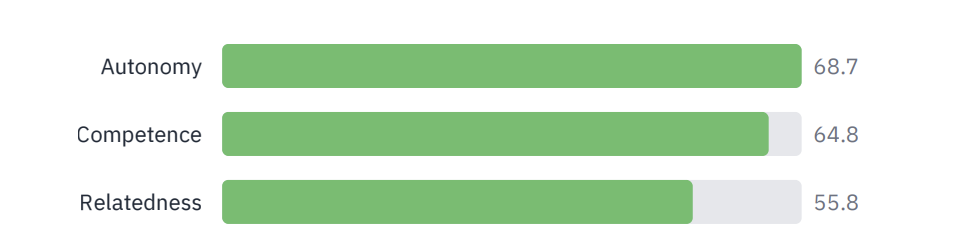
Humalyzer Profile is based on Self-Determination Theory by Edward Deci and Richard Ryan. The theory documents that employee motivation depends on three central needs: autonomy, competence, and relatedness.
For organizations, this means a better understanding of what drives each employee, stronger well-being and engagement, and more effective retention efforts.
Conflict Style
Conflict Style Profile
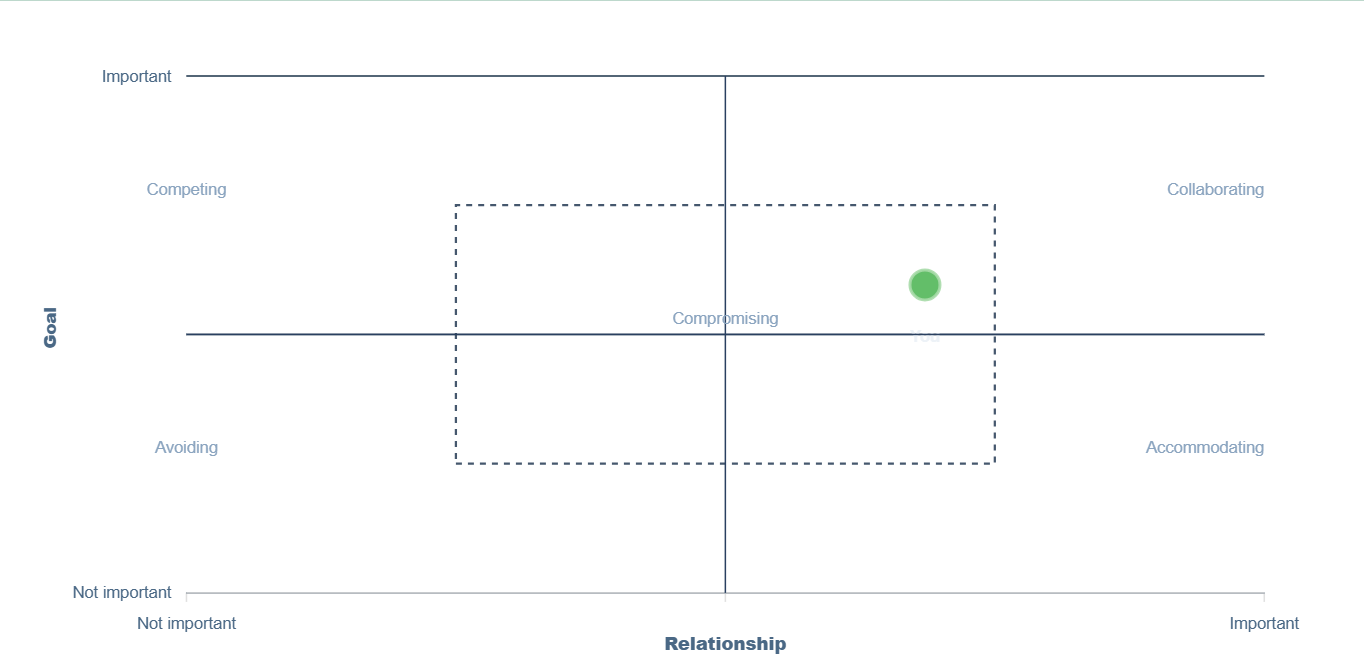
Humalyzer Profile includes conflict style analysis based on the Thomas-Kilmann Conflict Mode Instrument. It identifies how each person naturally responds to disagreement and interpersonal tension across five distinct modes: collaborating, competing, compromising, accommodating, and avoiding.
For leadership and HR, this provides a clearer picture of how team members interact under pressure, more productive conflict resolution strategies, and a foundation for building psychologically safe teams.
Drive & Motivation
Motivation Profile
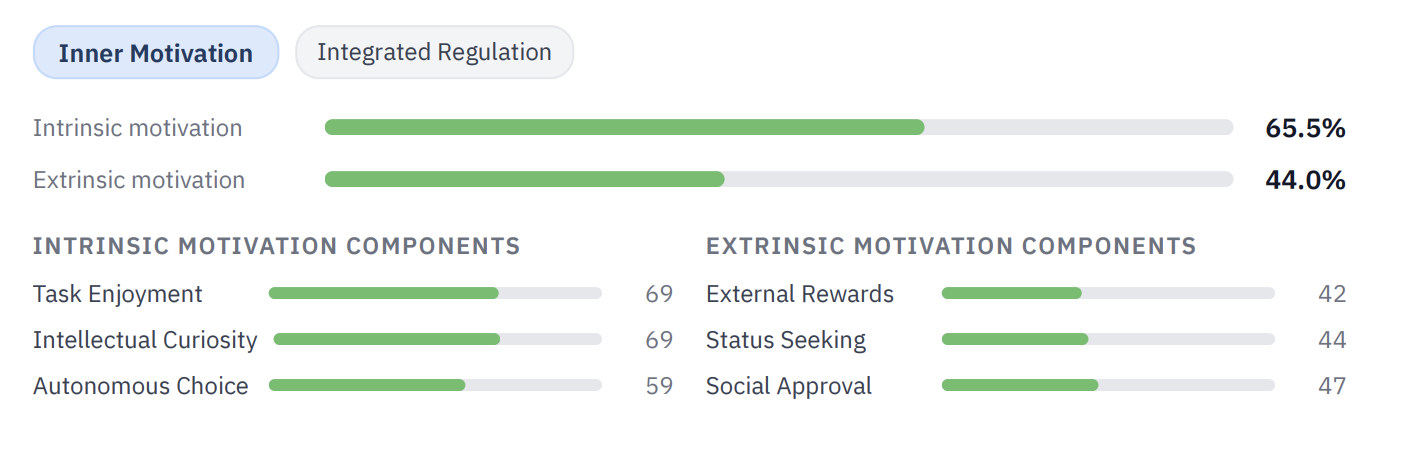
The motivation profile extends Self-Determination Theory's regulatory style framework, developed by Deci and Ryan. Where the SDT needs assessment identifies what each person needs, the motivation profile identifies how they are driven from purely inner motivation to externally regulated behavior.
For HR and managers, this provides a clearer picture of what sustains employee engagement over time, more targeted recognition and feedback strategies, and better alignment between role design and individual motivation patterns.
Output
Everything in one profile
Humalyzer Profile is developed for organizations that want a more precise and actionable decision-making basis in their work with people. Instead of basing development, recruitment, and collaboration on a single model, Humalyzer Profile combines some of the most well-documented psychological theories. The result is a holistic analysis that provides a deeper and more action-oriented picture of employees and teams. It can be used for: recruitment and onboarding, talent and leadership development, team optimization, and well-being and engagement analysis.

MBTI® and Myers-Briggs Type Indicator® are registered trademarks of The Myers & Briggs Foundation. Thomas-Kilmann Conflict Mode Instrument® is a registered trademark of John Wiley & Sons.